


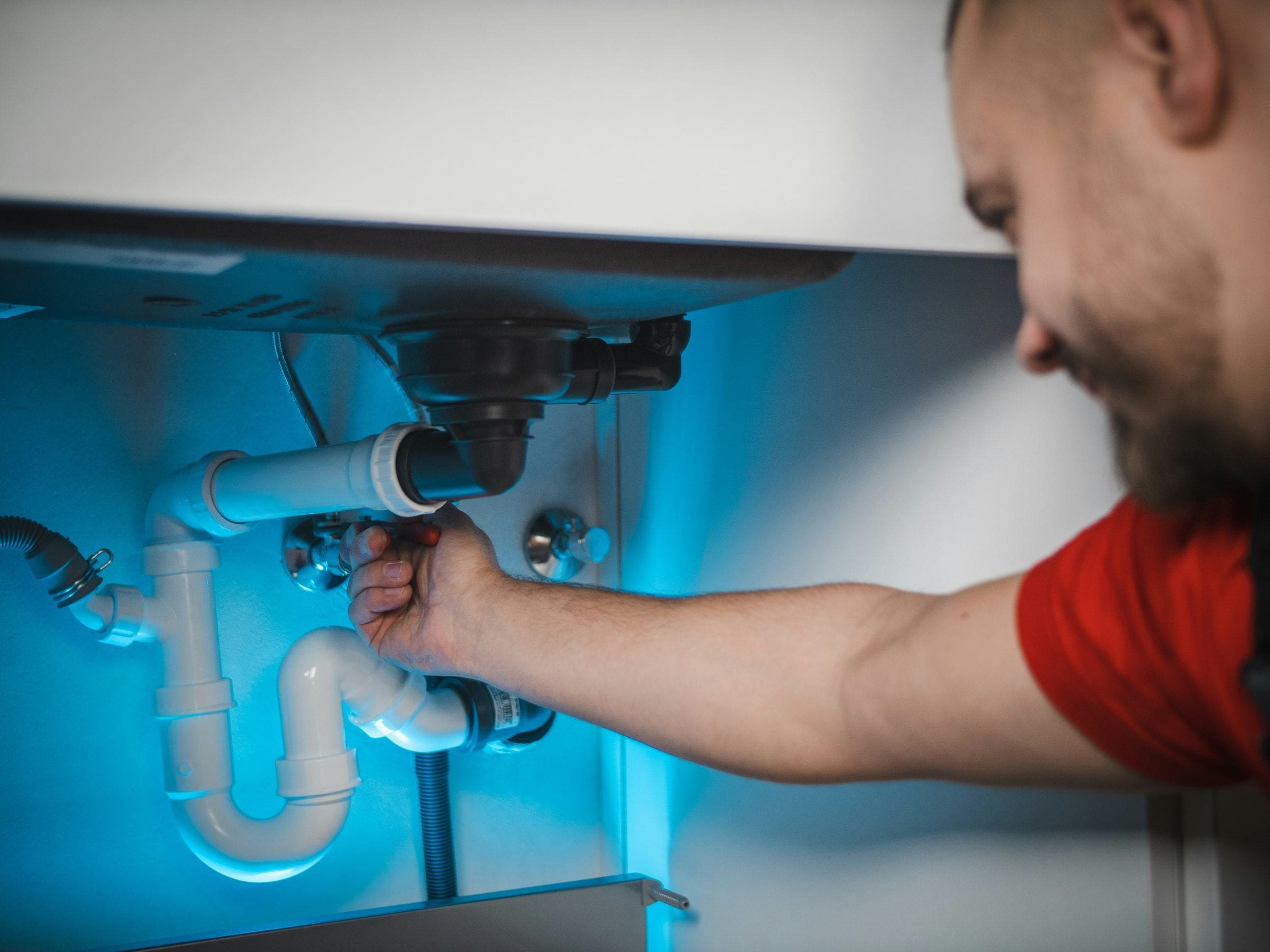

When a pipe bursts at 2:00 AM, panicked homeowners won’t scroll past the first few Google results. They need immediate help. If your business isn’t visible, you are handing valuable jobs directly to your competitors. SEO ensures you are the first call when disaster strikes. Stop losing leads—climb the rankings and keep your phone ringing with a proven, professional search strategy.
This guide breaks down plumber Search Engine Optimization into five manageable, actionable steps. Whether you are a solo operator or managing a fleet of vans, these strategies will help you build a digital presence that works as hard as you do.
Mastering Local Keyword Research for Plumbers
Before you change a single word on your website, you need to understand what your customers are actually typing into the search bar. Many business owners assume they just need to rank for “plumber,” but that term is often too broad and incredibly competitive. You want to capture “high-intent” traffic—people who need help right now.
Identifying High-Value Plumbing Service Keywords
Start by listing every service you offer. Be specific. Instead of just “repairs,” list “tankless water heater installation,” “sewer line repair,” “drain cleaning,” and “slab leak detection.” These specific terms often have lower competition but much higher conversion rates because the user knows exactly what they need.
Understanding Search Intent
Since you are a local business, your keywords must include location markers. A user in Chicago isn’t helpful to a plumber in Houston. Combine your service keywords with your city, county, and the specific neighborhoods you serve.
- “Drain cleaning in [City Name]”
- “Emergency plumber [Neighborhood]”
- “Water heater repair [County]”
Understanding the “why” behind a search is crucial for effective plumbing company SEO.
- Informational Intent: A user searching “why is my toilet bubbling” is looking for advice. A blog post answers this.
- Commercial/Transactional Intent: A user searching “24/7 plumber prices” or “best plumber near me” is ready to hire. Your service pages and homepage should target these terms.
By mapping the right keywords to the right pages, you tell Google exactly what your business does and where you do it.
On-Page Optimization for Plumbing Websites
After you’ve identified your keywords, you need to place them where Google’s crawlers will find them immediately. This process is called on-page SEO. It involves refining your website’s content and structure to demonstrate relevance, which is essential for specialized strategies like plumbing and HVAC SEO.
Writing Click-Worthy Title Tags and Meta Descriptions
Your title tag is the clickable headline that appears in search results. It is one of the strongest ranking signals. Ensure your primary keyword and city are near the front of the title tag.
- Bad: Home – Joe’s Plumbing
- Good: Emergency Plumber in Dayton, OH | Joe’s Plumbing
Your meta description doesn’t directly affect rankings, but it acts as your ad copy. A compelling description increases your click-through rate (CTR). Mention your availability, years of experience, or satisfaction guarantee here.
Structuring Service Pages and Service Area Pages (SAPs)
One of the biggest mistakes in SEO for a plumbing company is cramming every service onto a single webpage. To rank higher, build a dedicated page for each core service you offer—like a specific page just for “Sump Pump Repair.” This strategy lets you tailor your content and metadata precisely to that topic.
Apply this logic to your service areas. If you cover multiple cities, create dedicated pages for each location (e.g., “Plumbing in Plano”). This tactic helps you rank in towns where you lack a physical office, expanding your reach without increasing overhead.
Creating Content That Converts Visitors into Leads
Avoid thin content. If your drain cleaning page has two sentences, Google won’t view you as an authority. Aim for at least 500-800 words per service page. Explain the common problems, your solution, your process, and why customers should choose you. High-quality content keeps users on your site longer, which signals to search engines that your site is valuable.
Dominating the Local Map Pack with Google Business Profile
For a local service business, the Google Map Pack (the block of three map listings at the top of search results) is prime real estate. Appearing here effectively bypasses the organic results and puts your phone number front and center.
Claim and Verify Your Plumbing Business Listing
If you haven’t claimed your Google Business Profile (formerly Google My Business), do it immediately. Google requires verification, usually via a postcard sent to your business address, to prove you are legitimate.
Optimizing Your Profile for Maximum Visibility
Don’t leave fields blank. Fill out your business hours, services, website link, and appointment URL. Select the most accurate primary category (usually “Plumber”) and use secondary categories like “Drainage Service” or “Heating Contractor” if applicable. This is foundational plumbing and HVAC SEO.
Why NAP Consistency Matters for Local SEO
NAP stands for Name, Address, and Phone number. Google validates your business by checking these details across web directories like Yelp. Inconsistencies, such as varying business names, confuse algorithms and hurt your trust score. To boost SEO, ensure your NAP information is identical everywhere it appears online.
Using Job Site Photos to Boost Engagement
Profiles with photos receive significantly more clicks. Upload pictures of your branded trucks, your team in uniform, and completed projects. This not only helps SEO but also builds trust with potential customers who want to see who they are letting into their homes.
Technical SEO and Mobile Performance
You can have the best keywords in the world, but if your website is broken or frustrating to use, you won’t rank. Technical SEO ensures that search engines can crawl your site and that users can navigate it easily.
Mobile-Friendliness is Mandatory for Trades
Over half of all web traffic comes from mobile devices, and for emergency services, that figure is likely even higher. Think about it: when a pipe bursts, a homeowner grabs their phone immediately—they don’t wait for a desktop computer to boot up.
Because Google uses “mobile-first indexing,” it prioritizes the mobile version of your site to determine where you rank in search results. This makes mobile optimization a critical component of effective plumbing company SEO. To capture these urgent leads, ensure your buttons are large enough to tap, your text is readable without zooming, and your menus are simple to navigate.
Improving Page Speed to Reduce Bounce Rates
A slow website kills conversions. If your site takes more than three seconds to load, users will bounce back to the search results. This “bounce” tells Google your site isn’t a good result. Compress your images, enable browser caching, and consider upgrading your hosting if your site is sluggish.
Website Security: Implementing HTTPS
Security is a crucial ranking factor. Google marks “http://” sites as “Not Secure,” driving away cautious customers. To fix this, install an SSL certificate. It encrypts the connection between your server and the user’s browser, protecting their data and restoring trust in your brand.
Building Domain Authority with Backlinks
Links from other websites to yours (backlinks) act as votes of confidence. When a reputable site links to you, it tells Google that you are a trusted resource. However, this is where quality matters far more than quantity.
Local Link Building Strategies for Contractors
As a plumber, you want links from other local entities. This reinforces your geographic relevance.
- Sponsorships: Sponsor a Little League team or a local charity run. They often include a link to sponsors on their website.
- Chamber of Commerce: Join your local Chamber. Their directory links are highly authoritative for local plumber Search Engine Optimization.
- Local News: If you do something newsworthy (like a charity drive), getting mentioned in the local online newspaper provides a powerful backlink.
Top Industry Directories and Citations
Get listed in relevant trade directories. While general directories hold less value, niche directories for home services help categorize your site correctly.
Avoid “Black Hat” Tactics
In the early days of the internet, you could trick search engines by buying thousands of low-quality links. Today, that strategy will destroy your rankings. Google’s algorithms are sophisticated enough to detect unnatural linking patterns.
How to avoid link-building penalties?
Building authority is essential, but cutting corners can lead to Google manual action, removing your site from search results entirely. To protect your domain, adhere to these strict quality guidelines:
- Never purchase backlinks: Buying links violates Google’s guidelines. If a site asks for a fee, walk away.
- Avoid link farms: Networks created solely for linking offer no user value and are easily detected by algorithms.
- Diversify anchor text: Repetitive text looks suspicious. Ensure your profile includes a natural mix of brand names, URLs, and generic terms.
- Focus on relevance: Context matters. A relevant link from a local partner is worth more than an unrelated link from a high-authority site.
- Monitor your profile: Use Google Search Console to track who links to you. If you see a spike in spam, use the Disavow Tool to tell Google to ignore it.
Generating Reviews to Build Online Reputation
While technically part of your Google Business Profile strategy, reviews deserve their own spotlight. In the service industry, they act as the currency of trust. A steady stream of fresh, positive feedback signals to Google that your business is both active and reliable—a tactic any top-tier SEO company for plumbers would prioritize.
Train technicians to request reviews immediately after finishing a job, then follow up with direct links via email or SMS. To demonstrate you’re a customer-focused business, respond to all feedback—thanking happy clients and professionally addressing any negative reviews.
Tracking Your Success and Measuring Your SEO ROI
You can’t improve what you don’t measure. As you implement these changes, you need to track your progress.
- Google Search Console: This free tool tells you which keywords you are ranking for, how many people are clicking, and if there are any technical errors on your site.
- Google Analytics: Use this to see what users do once they land on your site. Are they calling you? Are they filling out the contact form?
- Call Tracking: Use software to track which marketing channels are driving phone calls. This is vital for attributing ROI to your SEO for plumbing company efforts.
Start Getting More Plumbing Jobs Today
Improving your plumbing company’s SEO isn’t an overnight fix. It is a long-term investment that builds momentum over time. By fixing your technical foundation, targeting the right local keywords, and building a reputation for excellence, you move your business from being a hidden gem to the market leader.
You don’t have to tackle all five steps at once. Start by claiming your Google Business Profile and optimizing your homepage. Then, move on to building service pages and gathering reviews.
However, if you find yourself spending more time on meta tags than on plumbing, it might be time to bring in backup. Hiring a specialized SEO company for plumbers can accelerate your results, allowing you to focus on managing your team and serving your customers.
The search volume is there. The customers are looking. The only question is: will they find you or your competitor?